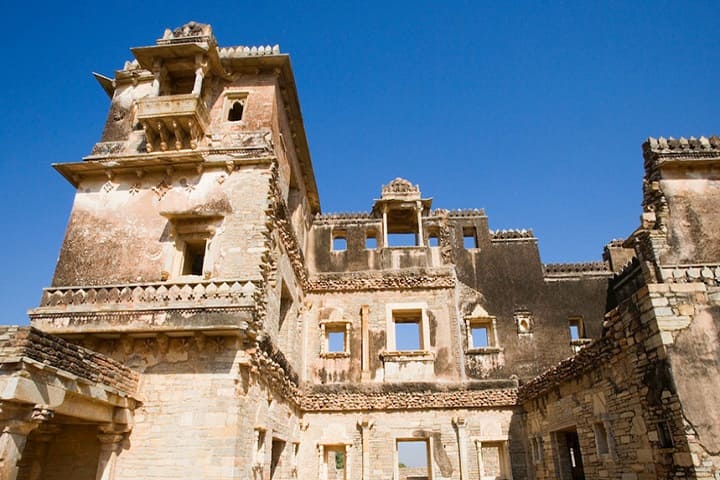

CHITTORGARH FORT
Chittorgarh Fort is a fitting symbol of the Rajput spirit. Set atop a 180 metre high hill and spread across 240 hectares, this majestic fort features in tales of courage, pride and romance that the bards of Rajasthan have been singing for centuries. Legend has it that the construction of the Chittorgarh Fort was begun by Bhim, one of the heroic Pandava brothers from Mahabharata, India’s eminent mythological epic.
Sanwaliya ji Temple
On the Chittorgarh Udaipur Highway a grand temple of Sanwaliya ji situated in Mandafiya village, where millions of devotees visit every year. According to the local residents, in the year 1840, on the basis of the dream of a shepherd named Bholanath Gurjar, three idols were found in the excavation on the border of Bhadsauda-Bagund village, in which one idol was established on the boundary of Bhadsauda-Bagund village and the temple was constructed is known as Prakatya Sthal.

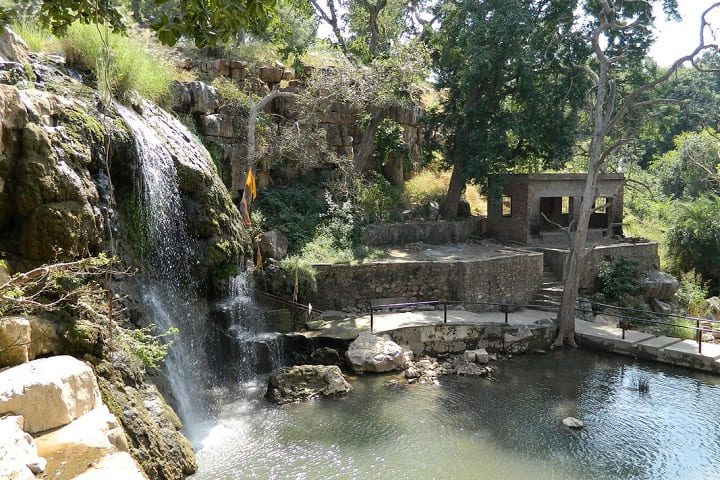
Bassi Wildlife Sanctuary
Bassi Wildlife Sanctuary established in 1988 is situated at a distance of five kilometers from Bassi village. This sanctuary falls in Vindhyan hill range, The forest here used to be the hunting ground for erstwhile rulers of Mewar. Old artistic Audhis (Hunting Towers) are worth seeing. The diverse habitats like wetlands, groves of mixed woodlands and stands of Dhok and Khair trees enrich the area with a variety of animals like Chital, Sambar, Common fox, Wild Boar and Leopard.
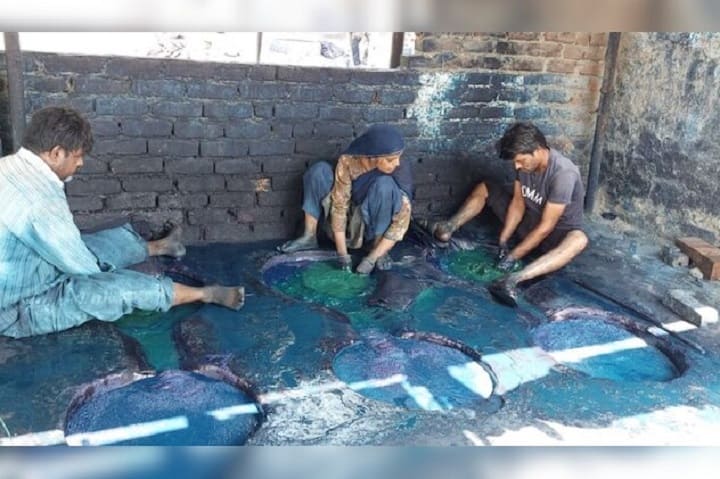
Chhipo ka Akola
Akola (Chhipo ka Akola) is a historic village located in the Chittorgarh district of Rajasthan, nestled near the scenic foothills of the Aravalli range. The village is globally renowned for its 500-year-old tradition of Dabu printing, a unique mud-resist hand-block textile art preserved by the local Chippa community. Historically, Akola served as an important Jagir of the Mewar State under the Maharana regime.

MENAL TEMPLE & WATERFALL
Located on the Chittorgarh-Kota Highway, Menal features a striking 11th-century sandstone Shiva temple complex, often called the "Mini Khajuraho" due to its intricate, historic carvings, paired with a spectacular 150-foot waterfall that plunges into a deep, V-shaped, lush gorge valley with great force during the monsoon season. People from all corners of the State flock to take it in. The best time to visit the Menal Waterfall is from July to October.
BHAINSRORGARH FORT
Bhainsrorgarh Fort is perched on a steep slate ridge, about 200 feet high, surrounded by the Chambal and Brahmani rivers. It is located 235 kilometers north-east of Udaipur and 50 kilometers south of Kota. Upon seeing this grand fort and its fascinating beauty, British historian Colonel James Todd once said that if he was offered a jagir (estate) in Rajasthan and given the option to choose, it would be Bhainsogarh. This fort has a remarkable history, it was built by Rawat Lal singh-II son of Rawat Kesari Singh of Salumber.


MEERABAI TEMPLE
In the 16th century, She born into Rajput royalty, she displayed an exceptional devotion to Lord Krishna from a young age, seeing him as her divine spouse. Due to familial pressure, she married Prince Bhoj Raj of Mewar, only to face tragedies—losing both her husband and father-in-law during the Hindu-Muslim conflicts. Legend holds that when Meera Bai's in-laws sought to kill her, Lord Krishna safeguarded Meera Bai from harm by transforming the snake sent to kill her into His divine form on one occasion.
RANA KUMBHA PALACE
A ruined edifice of great historical and architectural interest, this is one of the most massive monuments in the Fort of Chittor. Due to the restoration of this ancient palace by Maharana Kumbha, it is known as Kumbha Mahal. The original palace predates Kumbha. The main entrance to the palace is the Tripolia Darwaza, which is currently closed. The open area in front of the Tripolia door is called Darikhana.